
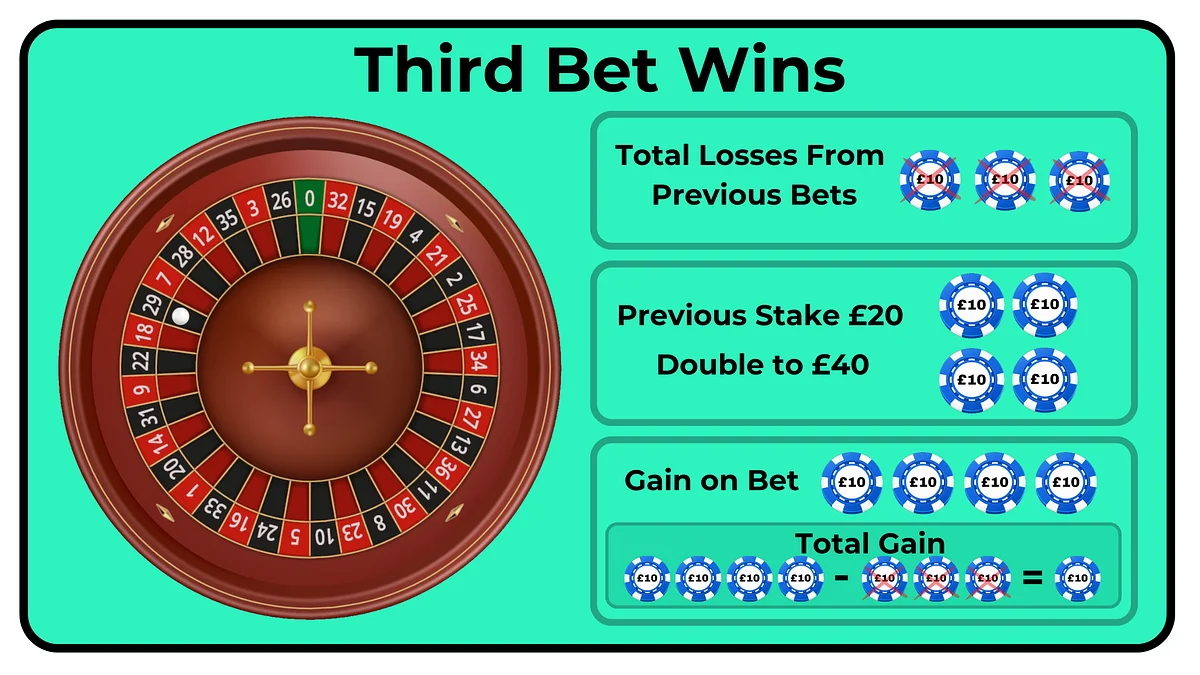
- Live Streaming Quality: Ultra HD low-latency multi-angle video feeds from certified international studio floors.
- Dealer Etiquette & Integrity: Professionally trained human croupiers adhering to international casino dealing standards.
- Table Limits & Side Bets: Flexible min/max limits with rich roadmaps, scoreboards, and optional side bets.
- Player Safeguards: Regulated table operations strictly complying with 21+ responsible gambling frameworks.
Roulette has captivated mathematical theorists, professional gamblers, and casual enthusiasts for centuries. From Blaise Pascal's early perpetual motion experiments in seventeenth-century France to the opulent salons of Monte Carlo, players have sought structured betting systems to master the spinning wheel. In the modern era of high-definition live dealer online gaming, the availability of detailed electronic roadmaps, hot/cold number telemetry, and rapid betting interfaces has made strategic system play more accessible than ever.
However, navigating roulette betting systems requires a rigorous understanding of probability theory, progression risks, and mathematical house edges. While no staking strategy can permanently alter the fixed 2.70% house advantage of a European single-zero wheel, structured betting systems provide disciplined frameworks for managing balance volatility, pacing sessions, and capitalizing on short-term winning streaks. At PHOPEN, licensed live European roulette tables accommodate all strategic styles. This comprehensive tactical manual breaks down the world's most famous progressive and non-progressive roulette systems, contrasting their mathematical mechanics, capital requirements, and risk profiles.
The Mathematical Foundation: House Edge and Independent Spins
Before implementing any betting system, a disciplined player must understand the foundational laws governing the roulette wheel:
💡 Reference Details: • [European Wheel: 37 Pockets] ──> [18 Red / 18 Black / 1 Green Zero] ──> [Fixed House Edge: 2.70%] • ▼ ▼ • [Every Spin Is Independent] [Past Results Have No Memory] • • Probability of Red: 48.65% • 10 consecutive Reds do not • • Probability of Black: 48.65% • make Black "due" to hit
The Principle of Independent Events
Every spin of the roulette wheel is a distinct physical and mathematical event. The ivory ball has no memory, conscience, or electronic connection to previous results. If the ball lands on Black seven times in a row, the probability that the eighth spin lands on Red remains exactly 48.65% (18/37 on a European wheel). Believing that a color is "due" to appear is the classic Gambler's Fallacy.
The Inviolable House Advantage
No betting system—regardless of whether it doubles bets after losses, increases stakes after wins, or covers wide sections of the table—can reduce the underlying 2.70% house edge. What a betting system can accomplish is reshape your distribution of wins and losses: trading many small frequent profits for the risk of a rare, catastrophic drawdown, or vice versa.
For foundational rules, inside/outside bet payouts, and wheel geometry, review our live roulette rules guide.
Negative Progression Systems (Increasing Bets After Losses)
Negative progression systems operate on the principle of increasing your wager size following a losing spin, with the objective of recovering all accumulated losses with a single subsequent winning round.
💡 Reference Details: • │ Negative Progression Systems Comparison • ├─────────────────────────────────────────────────────────────┤ • │ 1. The Martingale ──── Aggressive doubling after every loss • │ 2. The D'Alembert ──── Linear +1 unit increase after losses • │ 3. The Fibonacci ───── Sequence progression (1, 1, 2, 3...)
The Martingale System: Mechanics and Risks
The Martingale is the most famous betting system in gambling history. It is applied exclusively to even-money outside bets (Red/Black, Odd/Even, High/Low):
- The Rule: Begin with 1 base unit (e.g., ₱20). Whenever you win, bet 1 unit again. Whenever you lose, double your previous wager (₱20 ──> ₱40 ──> ₱80 ──> ₱160 ──> ₱320...).
- The Appeal: When a win eventually occurs, it recovers all previous losses in that sequence plus a net profit equal to your original base unit (₱20).
- The Severe Risk: Losing streaks occur far more frequently than human intuition suggests. In roulette, an 8-round losing streak occurs approximately once every 250 sequences. If you encounter 8 consecutive losses starting with a ₱20 base bet, your next required bet is ₱5,120 just to win a net ₱20 profit. Furthermore, you will quickly hit the table's maximum betting ceiling, preventing you from executing the next required double.
The D'Alembert System: The Linear Alternative
Created by French mathematician Jean le Rond d'Alembert, this system is significantly gentler on your bankroll than the Martingale:
- The Rule: Establish a base unit (e.g., ₱50). Increase your bet by 1 unit (+₱50) following a loss; decrease your bet by 1 unit (-₱50) following a win.
- The Advantage: Because stake sizes increase linearly (+1, +2, +3) rather than exponentially (1, 2, 4, 8, 16), your capital is protected against rapid depletion during prolonged dry spells.
- The Result: If your total number of winning spins equals your total number of losing spins across a session, the D'Alembert guarantees a net positive profit.
The Fibonacci Sequence Progression
Based on the famous mathematical sequence where each number is the sum of the two preceding numbers (1, 1, 2, 3, 5, 8, 13, 21, 34, 55, 89...):
- The Rule: Move forward one step along the sequence after a loss; move back two steps along the sequence after a win.
- The Advantage: A single win recovers the losses of the previous two bets, allowing you to achieve net profitability even if you win significantly fewer than 50% of your rounds.
Positive Progression Systems (Increasing Bets During Winning Streaks)
Positive progression systems take the opposite approach: keeping bets small during losing streaks and increasing stake sizes only during winning runs to capitalize on positive momentum.
The Reverse Martingale (Paroli System)
- The Rule: Double your bet after every consecutive win, up to a strict cap of three consecutive wins (1 unit ──> 2 units ──> 4 units ──> Reset to 1 unit). If a spin loses, return to your 1-unit base bet immediately.
- The Advantage: You only risk your initial 1-unit base stake plus accumulated house winnings. You can never lose more than 1 unit on any losing spin.
- The Target: Completing a 3-win progression yields a net profit of 7 units (₱10 ──> ₱20 ──> ₱40 = ₱70 profit). It is ideal for risk-averse players seeking controlled, high-reward sessions.
Section and Sector Coverage Strategies
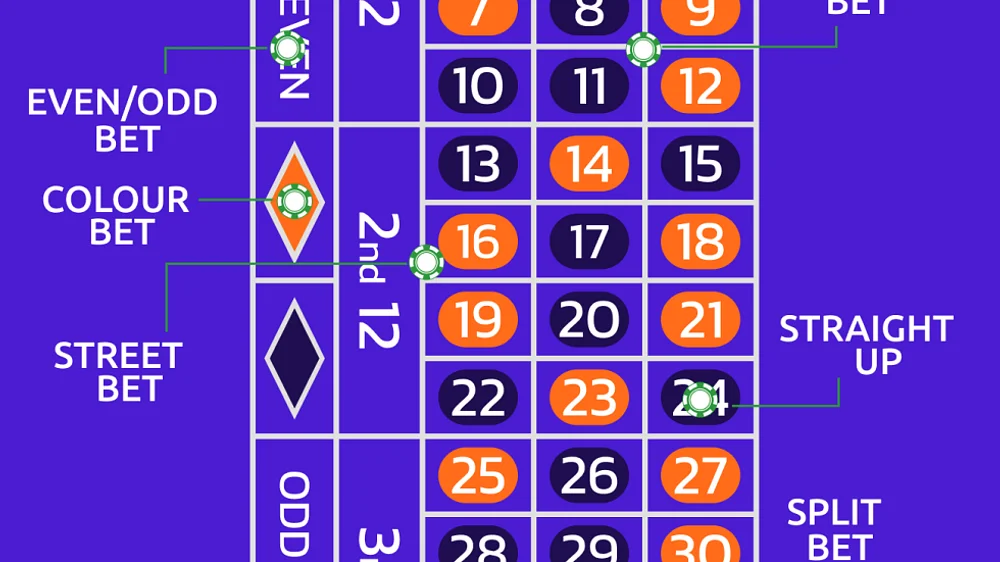
Rather than relying purely on even-money bets, many players employ sector-coverage strategies that combine dozens, columns, and straight-up numbers to cover wide areas of the wheel.
💡 Reference Details: • [The Two-Column / Two-Dozen Strategy] • • Place 1 unit on Dozen 1 (Numbers 1-12) + 1 unit on Dozen 2 (Numbers 13-24) • • Total Pockets Covered: 24 out of 37 (64.86% Hit Probability) • • Outcome A: Ball lands in Dozen 1 or 2 ──> Payout 2:1 on winning dozen (+2 units), • losing dozen lost (-1 unit) ──> Net Profit = +1 Unit • • Outcome B: Ball lands in Dozen 3 or Green 0 ──> Both bets lost (-2 units)
The Two-Dozen / Two-Column Hedging Model
By covering 24 numbers across two adjacent dozens or columns, you achieve a 64.86% probability of winning on any given spin. While a loss incurs a 2-unit deficit, the high hit frequency provides a smooth, engaging session profile well-suited for clearing promotional turnover requirements.
The James Bond Strategy
Popularized in Ian Fleming's novels, this fixed 20-unit flat-betting system covers over two-thirds of the wheel on every spin:
- 14 units on High (19-36)
- 5 units on the Six-Line (13-18)
- 1 unit on the Green Zero (0) as insurance
| Outcome Range | Total Pockets | Hit Probability | Payout Math | Net Session Result |
|---|---|---|---|---|
| High (19-36) | 18 numbers | 48.65% | 14 units return 28 | +8 units profit |
| Six-Line (13-18) | 6 numbers | 16.22% | 5 units return 30 | +10 units profit |
| Green Zero (0) | 1 number | 2.70% | 1 unit returns 36 | +16 units profit |
| Numbers 1-12 | 12 numbers | 32.43% | All bets lose | -20 units loss |
The James Bond system offers a combined 67.57% hit probability across 25 numbers, making it an exciting flat-betting model for recreational players.
Tactical Bankroll Allocation Framework
To execute any betting system safely, disciplined capital management is essential:
💡 Reference Details: • │ System Bankroll Sizing Formula • ├─────────────────────────────────────────────────────────────┤ • │ Flat-Betting Systems ────── Allocate minimum 50 Units • │ D'Alembert / Fibonacci ──── Allocate minimum 100 Units • │ Paroli (Reverse Martingale) Allocate minimum 60 Units • │ Martingale (High Risk) ──── Allocate minimum 250 Units
If your total session budget is ₱1,000, your base unit for a D'Alembert progression should be ₱10. Never attempt an aggressive doubling system with a shallow bankroll of 5 or 10 units. For low-stake bankroll pacing, consult our low-deposit casino strategies guide.
Step-by-Step Guide: Executing Strategy Play on Live Mobile Tables
- Log In and Fund Your Balance: Log into your player profile and deposit funds via GCash or Maya. Consult our GCash deposit guide.
- Select European Single-Zero Table: Open the Live Casino lobby and join a European roulette table (avoid American double-zero variants).
- Establish Your Base Unit: Select your initial chip size (e.g., ₱10 or ₱20) that matches your calculated bankroll unit size.
- Follow Your Rules Strictly: Execute your chosen progression model mechanically without deviating based on emotional impulses.
- Utilize Table History Panels: Inspect the electronic billboard displaying hot/cold numbers and dozen hit percentages to inform sector bets.
- Enforce Exit Boundaries: If you reach your designated profit target (e.g., +20% gain) or reach your stop-loss limit, exit the table immediately.
For complementary table game strategies, explore our live baccarat guide and our blackjack basic strategy manual.
Regulatory Compliance and Fair Gaming Standards
In licensed Philippine online gaming ecosystems governed by the Philippine Amusement and Gaming Corporation, live roulette tables operate under strict integrity standards:
- Certified Precision Wheels: Studio wheels undergo continuous laser and optical audits to eliminate mechanical bias.
- Tamper-Proof Video Feeds: High-speed, uncompressed video streaming ensures transparent ball tracking from wheel launch to pocket rest.
- Segregated Financial Infrastructure: Operations comply with national financial security standards supervised by the Bangko Sentral ng Pilipinas.
For an in-depth audit of platform licensing and player safety, examine our legit check and security review.
Responsible Gaming Guidelines
Betting systems can give players a false sense of control over random outcomes. Remembering that all casino games possess an inherent house advantage is vital:
- Never view roulette betting systems as an investment strategy or guaranteed income method.
- Never deposit funds designated for essential living expenses or family support.
- Set strict loss limits and never increase your deposits to chase losses after a busted progression.
- If you ever feel your gaming habits are becoming stressful or difficult to manage, seek free, confidential assistance from trusted international organizations including BeGambleAware and Gambling Therapy.
Review our full player safety framework in the responsible gaming policy.
Expert Insights: Strategic Optimization Framework
When engaging with roulette betting strategies on PHOPEN, seasoned casino analysts rely on objective mathematical principles rather than superstitious betting patterns.
Volatility Management & Stake Sizing
Every casino game operates with a mathematically defined house advantage and variance distribution. To safeguard your bankroll, size your individual stakes at 0.5% to 1.0% of your total deposited balance. This insulation ensures that temporary downswings will not prematurely deplete your playing funds before favorable variance cycles materialize.
Profit Locking Ceilings
Establish a concrete win ceiling between 50% and 100% above your initial deposit. Because gaming outcomes revert toward statistical averages over extended durations, initiating a withdrawal upon reaching a predetermined milestone is the most reliable way to secure recreational gains on PHOPEN.
Responsible Play & Session Timeouts
Real-money gaming should strictly serve as mobile entertainment. Schedule scheduled breaks every 30 to 45 minutes to maintain analytical clarity and prevent impulsive wagering decisions.
Real-World Implementation Scenario: Bankroll Pacing Case Study
To observe how mathematical probability and disciplined stake control function under real conditions when engaging with roulette betting strategies on PHOPEN, review this testing breakdown documented by our editorial team:
- Background: A player initiates a ₱1,000 PHP deposit using GCash to test Roulette Betting Systems on PHOPEN.
- Challenge: Sustaining optimal session playtime without suffering rapid bankroll degradation during natural variance dry spells.
- Solution: The player executes a strict 0.5% bankroll allocation model, placing ₱5.00 PHP unit wagers across 150 consecutive rounds while locking in a hard loss threshold of ₱400 PHP and a take-profit target of ₱1,600 PHP.
- Outcome: Across the initial 115 rounds, the player endured two separate 18-spin drawdowns, mitigated by timely multiplier hits and bonus triggers. On round 122, a compounding feature connection awarded a ₱920 PHP return, driving the account balance to ₱1,580 PHP, at which point the player locked in profits by cashing out.
- Key Takeaway: Adhering to structured unit staking rather than emotional escalation cushions against standard house variance while positioning your balance to capture high-impact mathematical spikes on PHOPEN.
Quick Summary
- Category & Game: Roulette Betting Systems operated on certified, audited gaming systems on PHOPEN.
- Primary Target: Comprehensive player mastery of roulette betting strategies through verified payout math and disciplined execution.
- Banking Convenience: Instant deposits and fee-free withdrawals supported through Philippine e-wallets including GCash and Maya.
- Strategic Guideline: Maintain at least 150 to 200 base betting units in reserve to weather statistical volatility cycles comfortably.
- Responsible Gaming: Establish predetermined profit targets (40% to 80%) and hard loss stops prior to initiating real-money rounds.
Frequently Asked Questions
Can the Martingale system beat the roulette house edge in the long run?
No. The Martingale system does not alter the mathematical 2.70% house edge. While it can produce small frequent wins in the short term, inevitable extended losing streaks will eventually cause your required bet to exceed your bankroll or breach table maximum betting limits, resulting in a large loss.
Which roulette betting strategy is safest for beginners?
The D'Alembert system or the Paroli (Reverse Martingale) system are considered much safer than the standard Martingale. Both systems limit stake escalation, preventing the rapid bankroll depletion associated with aggressive doubling progressions.
What is the advantage of the Two-Dozen strategy?
The Two-Dozen strategy covers 24 out of 37 numbers on a European wheel, providing a high 64.86% probability of winning on every spin. Each winning spin generates a modest 1-unit profit, creating a smooth, entertaining gameplay curve.
Does past spin history help predict the next roulette number?
No. Each spin of a certified physical roulette wheel is an independent statistical event. The ball has no physical memory of previous spins, meaning previous outcomes have zero mathematical bearing on future results.
What should my base bet unit be relative to my total bankroll?
Your base betting unit should represent no more than 1% to 2% of your total session bankroll. For example, with a ₱1,000 bankroll, your base unit should be ₱10 to ₱20, providing enough depth to absorb normal negative variance.
Can I withdraw my roulette system profits immediately to GCash or Maya?
Yes. As long as your balance satisfies the minimum withdrawal threshold (typically ₱100) and any active promotional rollover requirements have been met, you can withdraw your winnings directly to your verified GCash or Maya wallet within minutes. Consult our GCash withdrawal walkthrough.
Conclusion
Mastering roulette betting strategies requires combining verified rules, realistic volatility expectations, and structured bankroll pacing. By respecting mathematical probabilities, setting clear session boundaries, and avoiding common betting misconceptions, you can enjoy a superior, controlled entertainment experience on PHOPEN.
Ready to deepen your gaming expertise? Explore our comprehensive Live Casino Hub for in-depth title breakdowns, or review our Cashier Deposit Guide to ensure fast, secure account transactions on PHOPEN today.
 LIVE TABLE
13 min read
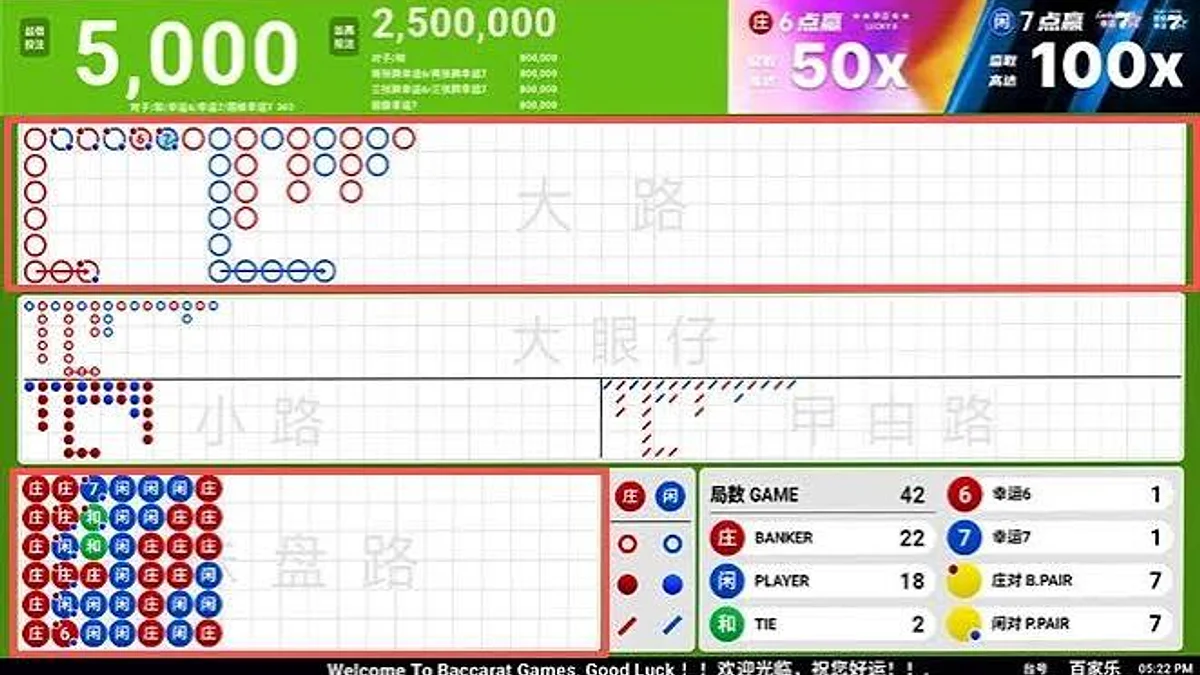
PHOPEN Baccarat Roadmap Interpretation: Big Road, Bead Plate, Cockroach Pig, and Derived Roads Guide
In the world of live dealer casino gaming, no display is more iconic or closely scrutinized than the electronic baccarat roadmap. When walking through.
 LIVE TABLE
13 min read
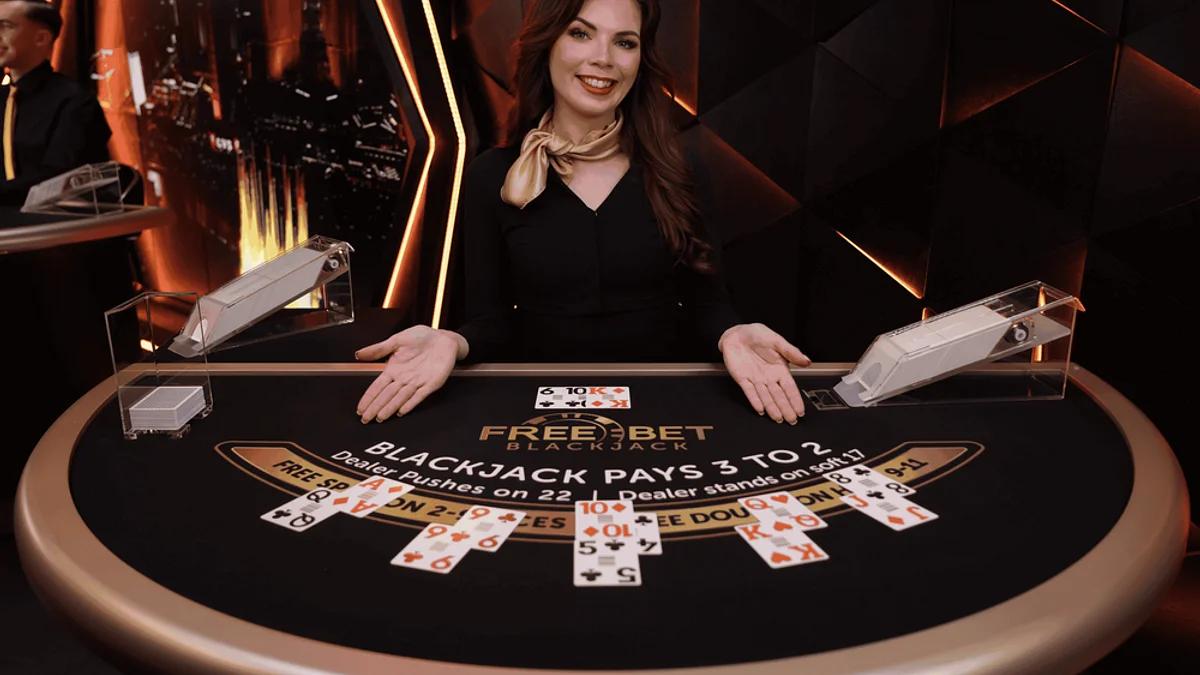
PHOPEN Live Baccarat Guide: Rules, Banker vs. Player Odds, and Third-Card Drawing Tableau
Live baccarat stands as the undisputed king of table games across premier Asian gaming destinations and digital casino platforms. Renowned for its low.
 STRATEGY GUIDE
13 min read
PHOPEN Live Dealer Blackjack Guide: Basic Strategy Charts, Card Values, and Table Decisions
Live dealer blackjack stands as the premier skill-influenced table game in modern casino entertainment. Unlike games of pure chance like roulette or.
 STRATEGY GUIDE
11 min read
PHOPEN Dragon Tiger Guide: Two-Card Table Rules, Payout Odds, Side Bets, and Fast-Paced Strategy
Dragon Tiger is widely celebrated as the fastest, most straightforward table game in the entire casino industry. Often described as a streamlined two-card.