
Foundations of Healthy Entertainment
Engaging in online casino games, slot machines, and digital sports wagering should be treated exclusively as a form of leisure entertainment. For the vast majority of participants, gaming offers recreational enjoyment, interactive excitement, and an engaging pastime. However, because real-money gaming involves genuine financial risk and unpredictable outcomes governed by mathematical probability, it has the potential to become harmful if approached without strict personal boundaries and informed self-discipline.
At the PHOPEN independent educational platform, our primary commitment is the welfare and security of our readers. We believe that true player empowerment begins with transparent knowledge: understanding that the house always retains a statistical advantage, that no strategy guarantees consistent financial returns, and that money spent on gaming should be categorized strictly under personal entertainment expenses—never as an investment, an income supplement, or a method for paying personal debts.
This comprehensive guide details the essential principles of responsible gaming, identifies early behavioral warning signs of problem gambling, provides practical bankroll management frameworks, outlines self-exclusion mechanisms, and connects individuals with professional, confidential support organizations.
Legal Age Requirements and Verification
Participating in real-money gaming in the Philippines is strictly governed by domestic legal and regulatory standards established by authorities including the Philippine Amusement and Gaming Corporation.
Mandatory 21+ Age Standard
Under Philippine law, individuals under the age of 21 are legally prohibited from registering an account, depositing funds, or participating in any online gambling or casino activities. This standard is enforced to protect minors and young adults from financial vulnerability and impulsive behavior.
Identity Verification Measures
Legitimate gaming platforms require thorough Know Your Customer (KYC) identity audits before authorizing real-money withdrawals. Players must provide valid government-issued photographic identification (such as a PhilSys National ID, Driver's License, Passport, or UMID) confirming their legal birthdate.
Attempting to register using another person's identity, falsifying personal documents, or facilitating account access for minors is a serious violation of platform rules and applicable laws, resulting in immediate account closure and complete forfeiture of funds.
Parental Control and Filtering Tools
If you share your computer or mobile device with children or teenagers, we strongly recommend implementing digital filtering software. Tools such as Net Nanny, Qustodio, and Google Family Link allow parents to block access to gaming portals, restrict unauthorized downloads, and monitor digital screen usage to prevent underage exposure to gambling platforms.
Understanding the Mathematics of Chance and House Edge
A fundamental element of responsible gaming is maintaining realistic expectations regarding game outcomes. Many common gambling problems stem from mathematical misconceptions or cognitive biases regarding how casino games operate.
💡 Reference Details: • │ Random Number Generator (RNG) • ▼ ▼ ▼ • ┌──────────────────┐ • Independent Spin │ │ Statistical RTP │ │ House Edge • ┤ ├──────────────────┤ ├──────────────────┤ • • No past memory │ │• Calculated over │ │• Built-in margin • • No "due" wins │ │ millions of runs│ │• Ensures casino • • Random outcomes │ │• Long-term math │ │ sustainability • • 100% fair seed │ │• Not per-session │ │• Cannot be beaten • └──────────────────┘
Random Number Generators (RNG)
Certified digital casino titles—including video slots, virtual table games, and arcade fishing titles—are driven by cryptographic Random Number Generators. Every spin of a slot reel or distribution of digital cards is completely independent of the preceding outcome. The software has no memory: a machine that has not paid out a bonus in fifty spins is no more likely to pay out on the fifty-first spin than on the first.
The Gambler's Fallacy
The mistaken belief that a specific outcome is "due" after a series of losses is known as the Gambler's Fallacy. Believing that a roulette wheel will land on black because it has landed on red five consecutive times leads players to recklessly increase their wagers in pursuit of a guaranteed correction. In reality, the odds on every independent spin remain identical.
Return to Player (RTP) and House Edge
Every casino game is designed with a mathematical house edge that guarantees the operator a predictable return over millions of wagering cycles. While a slot game with a 96% RTP theoretically returns 96 pesos for every 100 pesos wagered across millions of spins, an individual session can fluctuate wildly. RTP figures describe long-term mathematical averages, not a guarantee for your personal evening session.
Identifying Warning Signs of Problem Gambling
Recognizing the transition from recreational gaming to problematic or compulsive gambling is crucial for timely intervention. Because behavioral shifts often develop gradually, individuals and their families should remain alert to the following warning signs:
- Chasing Losses: Continuing to play or increasing bet sizes immediately after losing money with the urgent desire to win back lost funds.
- Exceeding Planned Budgets: Consistently depositing more money into e-wallets like GCash or Maya than originally planned for the session.
- Borrowing Funds to Play: Taking out personal loans, maxing out credit cards, or borrowing money from family and friends to finance gambling activity.
- Neglecting Responsibilities: Missing work obligations, skipping family commitments, or neglecting academic responsibilities to spend extended time on gaming platforms.
- Emotional Swings: Experiencing extreme anxiety, irritability, or mood swings when unable to access gaming platforms, or feeling intense guilt following a session.
- Concealing Activity: Lying to loved ones about the frequency of play, hiding financial statements, or maintaining secretive secondary accounts.
- Using Gambling as Emotional Escapism: Viewing gaming as a primary coping mechanism for dealing with personal stress, depression, anxiety, or loneliness.
Practical Self-Assessment Questionnaire
If you are uncertain whether your gaming habits remain within healthy boundaries, take a few minutes to honestly answer these self-assessment questions developed by player protection specialists:
- Have you ever wagered money that was needed to pay for household rent, utilities, food, or education?
- Do you find yourself constantly thinking about past bets or planning future gaming sessions throughout your day?
- Have you ever felt a strong urge to immediately deposit more funds right after finishing a losing session?
- Have family members or close friends expressed worry, frustration, or concern regarding your gambling habits?
- Have you ever hidden mobile transaction receipts or lied about how much money you spent on gaming apps?
- Do you find it difficult to stop playing or log out when you are currently winning?
- Have you ever felt remorse, deep stress, or depression after completing an online gaming session?
If you answered "Yes" to two or more of these questions, your gaming activity may be moving into an unhealthy pattern. We strongly advise taking an immediate break and utilizing the professional support resources listed below.
Practical Strategies for Controlled Play
Developing a disciplined approach to online entertainment is the most effective safeguard against problem gambling. We encourage all players to incorporate these practical rules into their routine:
Establish a Dedicated Entertainment Budget
Determine a strict monthly gaming budget that represents disposable income you can afford to spend without impacting your lifestyle. Once this budget is depleted, do not deposit additional funds until the following month.
Implement Strict Time Limits
Set a physical timer or alarm on your mobile device before launching a casino application. Limit sessions to 30 to 60 minutes, and ensure you take regular breaks away from screens to maintain clear decision-making.
Never Gamble Under Emotional Distress
Avoid logging into gaming platforms when feeling stressed, angry, lonely, or intoxicated. Impaired emotional states cloud judgment, encourage impulsive risk-taking, and break established bankroll boundaries.
Avoid Viewing Gambling as an Income Source
Never view casino gaming as a reliable way to make money, generate investments, or solve debt emergencies. Any funds won should be treated as a pleasant surprise, while any money wagered should be viewed as the direct cost of entertainment.
Self-Exclusion and Account Control Tools
Reputable gaming platforms provide built-in player protection features designed to help players maintain control over their accounts. If you find personal discipline challenging, consider activating these automated controls:
- Deposit Limits: Establish daily, weekly, or monthly caps on the total volume of funds you can deposit into your gaming account. Once reached, the system automatically rejects further deposit attempts.
- Session Time Alerts: Configure in-game reminders that trigger at 15-minute or 30-minute intervals, displaying your elapsed time, total wagers placed, and net session outcome.
- Cooling-Off Periods: Temporarily suspend your player account for a predetermined duration ranging from 24 hours to 30 days. During this window, you cannot log in, deposit, or place bets.
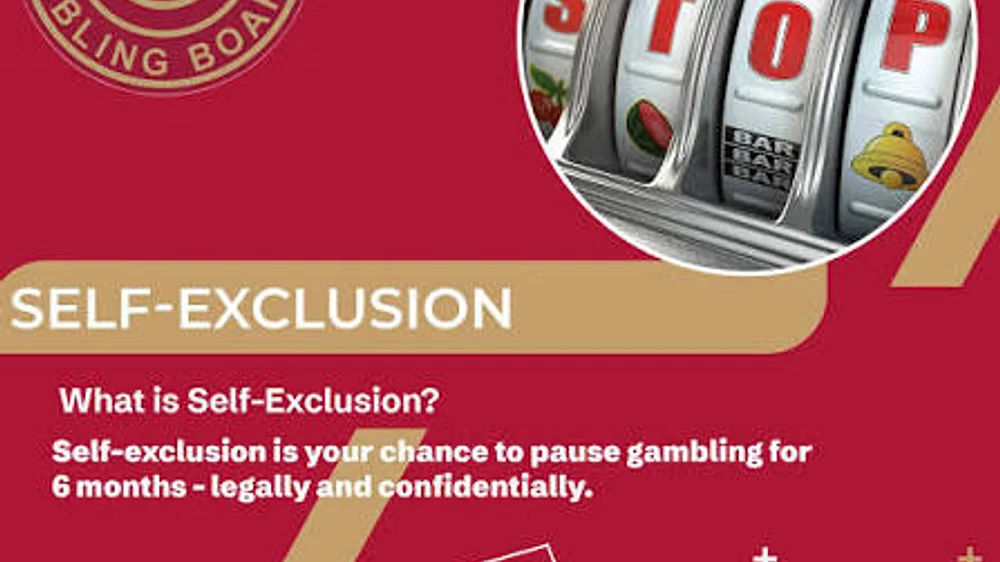
- Permanent Self-Exclusion: Request a complete, irreversible closure of your account across the operator's network for a period of six months, one year, or permanently. Reputable operators will also remove you from promotional email and SMS marketing lists.
Professional Support and Counseling Resources
You do not have to confront gambling challenges alone. Free, compassionate, and completely confidential assistance is available from dedicated organizations worldwide:
BeGambleAware
BeGambleAware provides comprehensive guidance, self-assessment tools, and practical advice to help people make informed decisions about their gambling habits. They offer confidential support and resources for players and concerned family members.
Gambling Therapy
Gambling Therapy is a global, non-profit online service that offers free, multilingual practical advice, peer support forums, and live one-on-one text-based counseling for individuals impacted by problem gambling.
National Regulators and Local Assistance
In the Philippines, players can review self-exclusion programs and responsible gaming frameworks coordinated by the Philippine Amusement and Gaming Corporation, which facilitates formal exclusion requests across licensed land-based and electronic gaming operations.
Frequently Asked Questions
Can I cancel a self-exclusion request after submitting it?
No. Legitimate responsible gaming operators enforce strict self-exclusion terms that cannot be revoked or shortened under any circumstances during the chosen exclusion period.
What is the most effective way to prevent overspending on gaming apps?
The most reliable method is linking a dedicated digital wallet or setting pre-funded transaction limits in your banking app, ensuring your primary living expenses and savings remain completely isolated from gaming balances.
Do online casino games remember my past losses and give me better odds later?
No. Every certified game operates using a Random Number Generator that generates independent, random mathematical outcomes for each spin or hand. Past results have zero influence on future outcomes.
Is problem gambling purely a matter of personal willpower?
No. Compulsive gambling is recognized by medical professionals as a behavioral health condition involving neurological reward pathways. Overcoming it often requires structured support, behavioral counseling, and external self-exclusion tools rather than willpower alone.
Where can I find immediate help if I feel overwhelmed by gambling debt?
Immediately stop all gaming activities, communicate openly with trusted family members, and reach out to free, confidential international counseling networks such as Gambling Therapy for immediate crisis guidance.